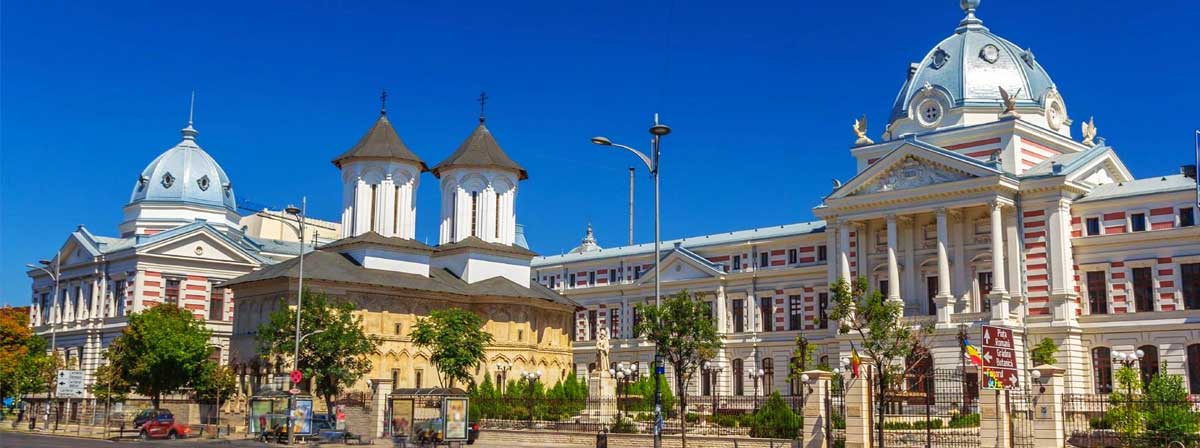
Let us briefly deliberate on all the issues of living in Romania, most notably two main ones, namely buying a house and finding a job.
House prices in Romania have declined in recent years, but there are no restrictions on house sales. Be sure you understand everything before you sign anything – use an interpreter if necessary. The usual steps are as follows:
The total costs include all costs of buying and then re-selling a property – lawyers’ fees, notaries’ fees, registration fees, taxes, agents’ fees, etc. and usually come to between 7 and 12% of the purchase price. You do have to pay a small stamp duty. It usually costs more than you expect, so check your finances carefully. Currency rates will affect you – the following website may save you money: www.smartcurrencyexchange.com
The European Free Movement of Workers agreement means you can live and work in Hungary without a visa or work permit.
Your ability to find work depends upon your language skills. English is a bonus, but it helps to be fairly fluent in Romanian. If you are moving for employment, the administrative details may be handled by the employer. It is wise to get a written contract if possible. A verbal contract gives little protection.
Competition for jobs is high, as the Romanian economy is still recovering from the economic downturn. With the increase in multinational firms operating in Romania, there’s a demand for fluency in certain languages, including English, French and German. But, speaking the local language is important. Check the language requirements for the job and if the employer wants someone who speaks Romanian, your application must be in Romanian. You may apply in English only if it’s an accepted language for the job. High-level IT skills are also in demand.
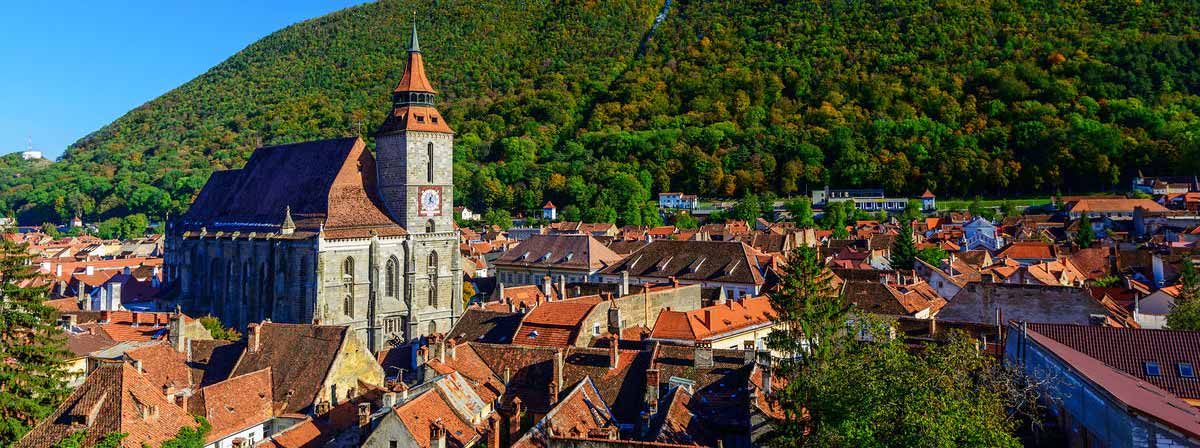
Romania opens onto the gorgeous Black Sea through a series of well-catered resorts that function during the summertime, such as Mamaia or Vama Veche. But it’s also home to little towns which are dedicated to skiing in the Carpathian Mountains, such as Brasov.
Are you in love with music? Great! You can watch your favourite artists such as G-Eazy, Dua Lipa and Ed Sheeran perform during the festivals that take place in the heart of Romania – such as Neversea, Untold, Jazz in the Park, and, in the middle of Transylvania, Electric Castle – plus many more. You’ll never get bored in Romania!
From standing in line at customs to standing in even longer lines to get a package at the post office, Romania has not exactly streamlined its bureaucratic system – so arm yourself with as much patience as you can muster!
The biggest problem with Romanian bureaucracy is that it has not evolved beyond traditional folders and files. Therefore, if you need to pay your taxes, get a health insurance or register your car, you will first have to collect all the forms necessary from all the offices in charge around the town where you live. Then you will have to fill them in by hand, pay the fees in specific places (not online) and put them in a special type of folder. If you don’t have the folder, they won’t be accepted.
When you’re done, you can actually go down to your office of interest where you will meet with a number of officials, each doing a small job – putting a stamp on your folder, accepting your payment, giving you a receipt, etc. The frustrating thing is that it’s extremely easy to make mistakes, and then you have to start all over again!
When it comes to the laws of moving to Romania, things are as follows: you can visit the country for 90 days over a period of 6 months. However, if you wish to remain, you will have to get a work permit to be allowed to live there if you are an EU citizen – or a visa if you come from outside the EU. The situation is still unclear in cases such as the UK, until the matter of Brexit is decided.
The best way to describe the Romanian language would be as a mixture of Latin, Italian, and a bit of Russian – with a few Turkish words thrown in there for good measure, thanks to it being occupied by the Ottoman Empire.
Does that sound confusing? That’s because it is. Romanian is not an easy language to learn. It involves convoluted grammar, difficult pronunciation, and a set of extra letters in the alphabet.
However, you’ll be pleased to find out that almost everyone speaks or understands English! The English language is a compulsory course in the Romanian educational system for all children, starting with the second grade.
While some local customs are easier to understand and follow, such as Romanians rushing to the seaside to celebrate the 1st of May, others might need some getting used to. This includes such traditions as the age old ritual of dressing up in bear and goat costumes for Christmas. Romanians also exchange metallic charms and presents on the 1st of March, to celebrate the beginning of spring.
The stereotype is that Romania is a cheap country. That’s true if you’re a tourist. However, people living and working in Romania often complain about high prices. Is that confusing? Look at it this way.
If you’re a Brit, for example, and moving to Romania, you will find grocery prices extremely low. A carton of organic eggs is the equivalent of £2, while organic milk is roughly £1.5. Organic, high-end, fair-trade, imported chocolate costs around £2.5, which seems like a bargain for someone travelling from abroad. Evidently, traditional non-organic products are even cheaper. Buying or renting a house or a flat in Romania (if you put all legal matters aside) will also prove to be extremely affordable compared to British standards.
However, your perspective will change if you get a job in Romania. The minimum wage there is approximately £240. Most salaries are quite low, many people only earning between the minimum wage and £400 per month.
Romania is one of the most religious countries in Europe, if not the world, and that comes into play in every aspect of life in the country, from politics to schooling to day to day living. So get ready for religious parades down main boulevards!
The main religion in Romania is Christian Orthodox, with over 87% of the entire population following it. A minority (4%) of individuals are Catholics, while the rest of the percentage is represented by Adventists and Baptists.
The Orthodox religion is compulsory in schools and is the only one taught. Given the fact that Romania is such a religious country, you might have a bit of trouble practicing your own faith if you move there!
One of the curiosities is the Church of St. Anton. It sits in the middle of Bucharest, where infamous Vlad Tepes’ royal court once was.
You must register your residence with the territorial units of the General Inspectorate for Immigration in the county where you reside. You will be issued with a residence certificate or residence card for family members. This lasts up to five years, after which you can apply for permanent residency. You will need documents depending upon your reason for relocating to Romania from the UK, and you can find the necessary details at Romanian General Inspectorate for Migration
The usual requirements are as follows, but check the site above for your personal circumstances.
You can get a form from the site above and also the amount of the fee – around £1.70


Is Romania Environmentally Friendly? Since the war between Russia and Ukraine started, the countries dependent on Russian gas…

Exploring the Heart of Romania: What is Bucharest Like Ever wonder, "What is Bucharest like?" If you're planning…
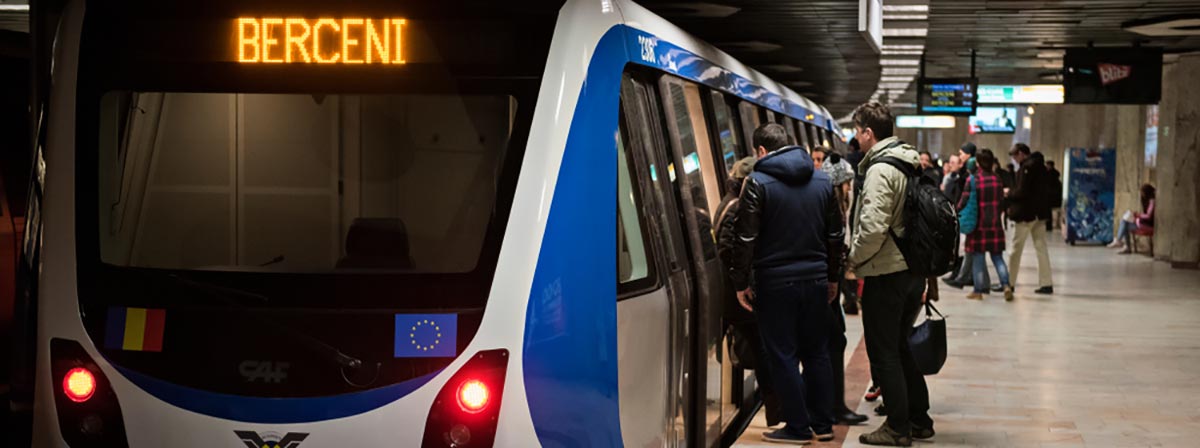
The Public Transport Timisoara consists of extensive network of trams, trolleybuses, buses, designated…
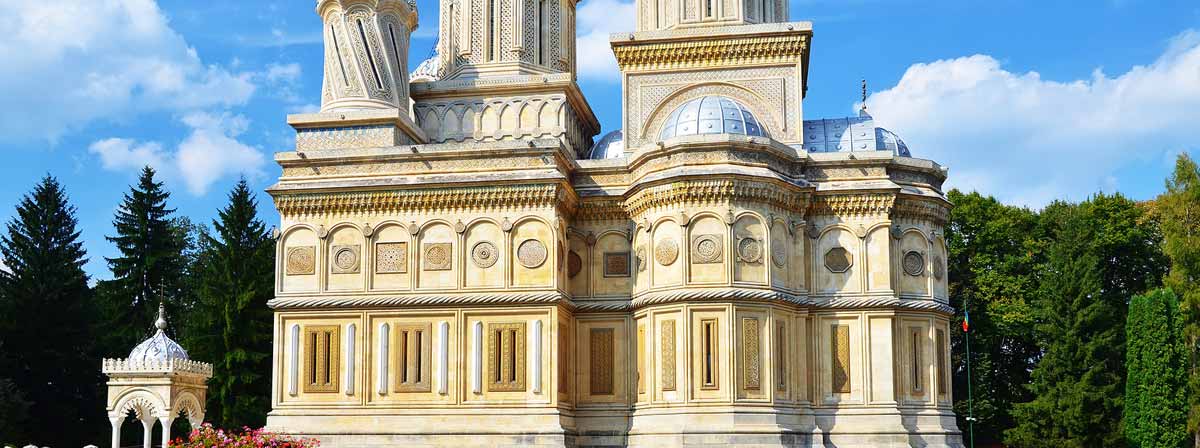
Social Life and Traditions in Romania Romanians are known for their hospitality and generosity, and…
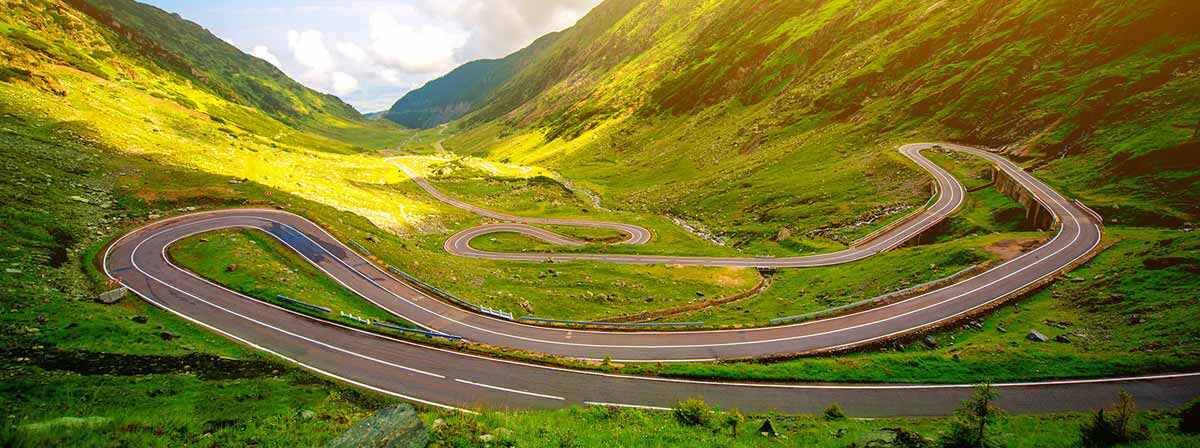
Public Transport in Romania Before deliberating about driving in Romania it’s worth to mention…
Take up to 5 photos of your home and ask the tool to convert the objects in the images into an inventory with the estimated weight and volume of each item.

No images have been uploaded yet (Upload up to 5 photos)
Estimated Total Volume
No estimates have been generated yet.
Take a picture of the entire room or a single item and click "Give me the Sizes"